Know what you're buying: What's included?
It sounds like common sense, but many students rush into purchasing the first boot camp they come across without understanding what they're getting. Not all programs are created equal, so doing your due diligence upfront is critical.
Before signing up, ensure you can clearly grasp what the boot camp includes and what outcomes you can reasonably expect. Failing to research thoroughly could lead to unpleasant surprises like:
- Lack of guidance: You enroll, only to realize once the boot camp starts that you have no guidance on what preparation materials (if any) you should have completed ahead of time. Always ask what resources, supplemental content and student support are provided before, during and after the program.
- Wasted money: You pay the full tuition fee out-of-pocket, then learn later that your employer offers reimbursement or that you qualified for grants or scholarships. Don't leave financial aid on the table. Check all your funding options.
- Lackluster training: On day one, you excitedly show up only to find the instructor simply reading verbatim from PowerPoint. Disappointing, right? Review testimonials from prior attendees and case studies to gauge the teaching quality and interactivity you can expect.
Your boot camp represents a significant investment, so partner with a reputable provider that delivers on its promises. Evaluate the expected outcomes carefully. Will you emerge prepared to pass the certification while also gaining applicable job skills? The best programs go beyond the test, contextualizing concepts through real-world scenarios.
What should you learn next?
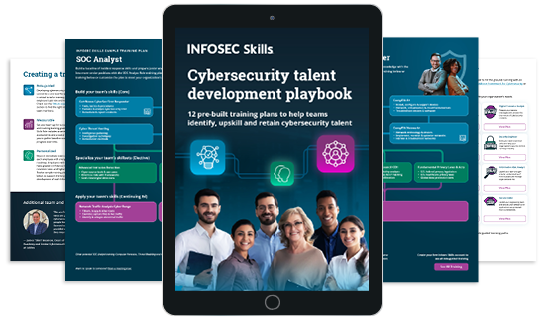
From SOC Analyst to Secure Coder to Security Manager — our team of experts has 12 free training plans to help you hit your goals. Get your free copy now.
Also, research the provider's guarantees and policies. Can you repeat the course or exam at no extra cost if needed? Clarify all the fine print to safeguard your investment and set yourself up for success.
Prepare before the boot camps begin
Let's set the record straight. A three- to seven-day boot camp isn't designed to take you from zero knowledge to certification mastery. Those dramatic leaps are best left to longer, immersive programs. However, a little pre-boot camp preparation can go a long way in setting you up for success:
- Review the exam outlines: Most exams have published outlines that detail the specific topic and skills you'll be tested on. Review these to give you a road map for your pre-study and ensure you focus your energy on the right areas.
- Learn the jargon: Before the boot camp starts, familiarize yourself with the common terminology and acronyms you'll encounter. This will save you valuable time during the program and allow you to grasp concepts more quickly.
- Do your homework: Many boot camps provide pre-study materials like videos, articles or practice quizzes. Completing these assignments will give you a foundational understanding of the material and allow you to hit the ground running on day one.
"Before attending your boot camp, I recommend going through the pre-study materials and getting familiar with the material,” says Julian Tang, Chief Information Officer at Tennenbaum Capital Partners and Infosec CISSP Boot Camp student. "If you have the time, also take a few of the practice tests. Reviewing material in advance means you don't have to work as hard when you are at the boot camp."
Make time to study: Clear your schedule, disappear
Boot camps are designed for intense training, cramming a significant amount of information into a short timeframe. To truly absorb the material and succeed on your exam, dedication is critical. This means clearing your schedule and creating dedicated study time during boot camp.
In the Infosec webinar, Inside an Infosec Boot Camp, experienced cybersecurity instructor Tommy Gober advises setting away messages and communication boundaries and telling your supervisors that you need real-time away from the office: "Make your job that week learning the material.”
Gober recommends allocating at least an hour or 90 minutes per day outside of classroom hours to review materials and complete practice work. "Block off your calendar, clear any meetings, minimize distractions, get away from the office if you can, get away from home," says Gober. You need to focus on your learning.
Infosec instructor Rod Evans goes even further when he half-jokingly suggests that students "lock themselves in the basement for a few hours each day," to create the ideal study sanctuary and completely disappear from typical workplace or household demands. As Evans reminds students, "We give you things to study. Allocate time to study. You have to find time for your education."
Don't need to study because you already work in cybersecurity? WRONG
It's a tempting misconception to think that just because you're already a cybersecurity professional, you don't need to study. But certification exams test not just your real-world knowledge but your understanding of a specific framework.
As Evans puts it: "There are three ways of knowing this material: The way you know it, the way the industry wants you to know it and the way the partners, like CompTIA and EC Council, want you to know it."
Tommy Gober agrees. "There's the real-world answer to what you would do, and then there's the test answer of what you would do," says Gober. Your on-the-job experience has undoubtedly taught you valuable problem-solving skills. However, certification exams often have specific ways of phrasing questions and require specific answers.
Get your free role-guided training plans
Get 12 cybersecurity training plans — one for each of the most common roles requested by employers.
And studying practice tests alone won't cut it. Jerich Beason, Chief Information Security Officer at Epiq, found this out the hard way when he failed his first Security+ exam. "I started to memorize the questions, and that gave me a false sense of preparedness. It wasn't until later I came to the realization I wasn't learning the building blocks I needed to truly understand the material," he says.
Embrace the pace of a boot camp
Boot camps are intensive learning sprints, cramming a significant amount of information into a short amount of time. For example, Infosec boot camps typically run from 8:00 a.m. to 5:00 p.m., with scheduled breaks, followed by an additional 1 hour to 90 minutes of dedicated study time. This can be a lot to absorb, so coming prepared is key.
Don't regret not preparing for the pace. Here's how to navigate the boot camp's speed:
- Come well-rested: A good night's sleep and nutritious meals will give you the stamina you need to absorb the information effectively.
- Stay hydrated: Staying hydrated is essential for optimal cognitive function. Pack a reusable water bottle and keep it filled throughout the day.
- Embrace the challenge: The fast pace and dense content might seem overwhelming at first. But remember, the instructors are there to guide you. They understand the curriculum and know how to break it down into manageable pieces.
- Ask questions: If something is unclear, raise your hand or ask for clarification.
Participate and ask questions
One of the greatest advantages of a boot camp is your instructors and fellow students. These cybersecurity experts are a wealth of knowledge waiting to be tapped. Don't be a passive observer. Actively take part and leverage this incredible resource.
Don't be shy! "Ask questions. We are not mind readers. There is no such thing as a dumb question, except the questions that are not asked," says Evans. If a concept is unclear, raise your hand and seek clarification. The more you understand, the better prepared you'll be for the exam and your cybersecurity career.
Tommy Gober emphasizes the value of classroom interaction. "Interact with the classroom. Even if you think they are going off to the side, we will bring it back," he says. These detours can spark valuable insights and lead to a deeper understanding of the material for everyone. Participation fuels the learning environment for the entire group.
One of the greatest benefits of a boot camp is the opportunity to learn from your peers. When someone asks a question, it's likely others share the same confusion. By actively participating, you're not just solidifying your own knowledge; you're helping your classmates as well. The shared learning experience fosters a collaborative environment that benefits everyone.
Don't wait too long to take the exam
The knowledge you gained during a boot camp can go stale over time. The longer you wait to take the exam, the more likely you are to forget some of the finer details covered in the boot camp. By taking the exam soon after, you'll be capitalizing on your peak knowledge retention and maximizing your chances of passing.
- Take the exam right away if you can: Some in-person boot camps offer the convenience of taking the exam right on the last day. This minimizes the risk of forgetting key concepts and allows you to leverage the momentum from your intensive learning experience.
- Schedule it right away if not: Infosec instructors recommend taking the exam on the Monday or Tuesday following your boot camp. This gives you the weekend to solidify your understanding through additional review, but it's close enough to the boot camp to ensure the information is fresh in your mind. As Rod Evans puts it, "life happens," and the longer you wait, the more likely other commitments will push study aside.
Get your guide to the top-paying certifications
With more than 448,000 U.S. cybersecurity job openings annually, get answers to all your cybersecurity salary questions with our free ebook!
Takeaways
By enrolling in a boot camp, you'll take the critical first step toward a thriving career in cybersecurity. But remember, success requires more than just showing up. Here's a recap of the key takeaways to ensure you get the most out of your boot camp experience:
- Research providers thoroughly to find one that matches your goals and learning style and includes the right materials and support.
- Prepare by reviewing foundational content so you can focus on mastering advanced skills during the boot camp itself.
- Commit to treating the boot camp as your top priority. Clear your schedule and create dedicated study time.
- Check any assumptions that experience alone will be enough. Approach it with a beginner's mindset, ready to learn.
- Engage actively by participating in discussions and asking every question on your mind.
- Schedule your certification exam promptly after completing the boot camp to maximize retention.
Boot camps are intense for a reason. They are designed to propel you forward in a short timeframe. And the results speak for themselves. At Infosec, the boot camp pass rate hovers around 92%-94% across all programs. That's powerful evidence of the effectiveness of these intensive learning experiences.